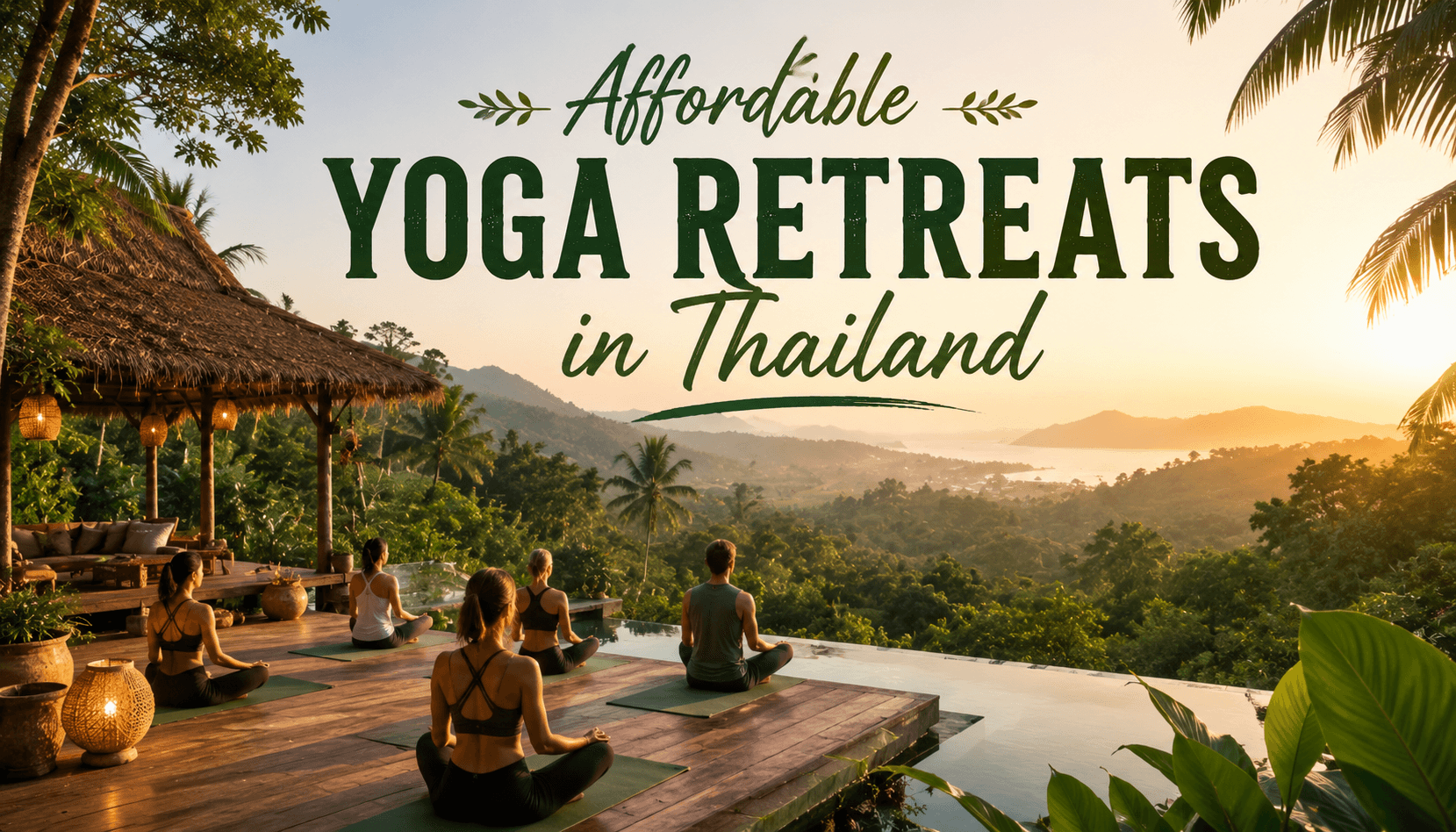
Affordable Yoga Retreats in Thailand
Sahil 11 May 2026Wellness and Retreats
I had been staring at yoga retreat websites for three weeks, adding things to wishlists and removing them again, convinced that anything worth doing would cost me more than I had. Bali kept appearing. Costa Rica kept appearing. The prices kept making me close the browser. Then someone in a travel forum said: Have you looked at Thailand?
I had not. I had assumed Thailand were all full moon parties and bucket cocktails. I was wrong in the most specific and wonderful way possible. Six days later, I was sitting cross-legged on a wooden shala in Koh Phangan, watching the morning light move through the jungle canopy, smelling plumeria and something cooking in the kitchen below, and thinking: how is this real and how does it cost this little? That was the trip that changed how I thought about wellness travel. Thailand is not an affordable alternative to better yoga destinations. It is simply the best yoga retreat destination in the world for most travellers, for reasons that have nothing to do with compromise.
Here is everything you need to know to find yours.
Why Thailand is the World's Best Value Yoga Retreat Destination
Thailand is one of the most affordable yoga retreat destinations in the world. Short retreats of three to five days typically cost $200 to $500 including accommodation, meals, and daily yoga. Week-long programs run $400 to $1,200. That price range includes breakfast, lunch, dinner, accommodation, and two to three yoga classes per day at many retreats. The equivalent programme in Switzerland, Bali at the upper end, or any coastal European destination costs two to four times as much for comparable quality. But the price is only part of the story.
Thailand's combination of gorgeous weather, healthy food, lush jungle settings, white sand beaches, and low costs makes it a unique opportunity. The yoga and wellness scene is mature, with many certified yoga instructors and Yoga Alliance-accredited programs available. The food alone justifies the trip. Thai cuisine, even in its retreat-kitchen form, involves fresh coconut milk, tropical fruit, herb-forward curries, and dishes that are so balanced in flavour and nutrition that eating here begins to feel like part of the practice rather than a break from it. Thailand's wellness culture extends beyond yoga. Thai massage, detox programmes, Muay Thai, and meditation traditions all feed into the retreat scene, creating programmes that blend multiple modalities in ways that feel natural rather than forced.
The Four Main Yoga Retreat Destinations in Thailand
Before choosing a retreat, choose the right region. Each one delivers a genuinely different experience.
Koh Phangan: The Spiritual Island
Koh Phangan is most famous for the Full Moon Party, but the island's spiritual side makes it one of the world's top yoga destinations, full of yoga studios, tantra workshops, and spiritual retreats. The area of Sri Thanu in the North-West of Koh Phangan has become the centre for all things yoga related, with many yoga studios and vegan restaurants that attract more conscious travellers. This part of the island is a far cry from the Full Moon revellers on the other end in Haad Rin.
This island has a very special vibe and energy that is said to come from the Rose Quartz the island is made from, attracting a loving, open, and conscious yoga community that makes it one of the best places in the world to take a yoga retreat and connect with yourself and others. I spent my first retreat here and I want to be honest about the Full Moon Party situation because nobody else will be. If your retreat dates overlap with the Full Moon, the southern end of the island gets loud. Book in Sri Thanu on the northwest coast and you will barely notice it. The two halves of Koh Phangan are genuinely different countries in atmosphere.
Best for: Spiritual immersion, beginners, solo travellers, budget-conscious yogis, vegan food lovers
Vibe: Earthy, community-driven, spiritual, tropical, laid-back
Koh Samui: Beach Yoga Meets Fitness
Koh Samui specialises in fitness-focused retreats combining yoga with Muay Thai, CrossFit, and personalised training. It combines beach holidays with yoga programmes and draws those who want a more polished retreat experience.
Koh Samui is the right choice if you want yoga in a more resort-style setting, with easier airport access (it has its own international airport), a wider range of restaurant options outside your retreat, and the ability to combine yoga mornings with beach afternoons.
Best for: Couples, fitness-yoga combinations, those wanting more comfort, first-time retreat visitors
Vibe: Polished, beach resort, social, slightly more expensive than Koh Phangan
Chiang Mai: Mountain Yoga in the Cultural North
Chiang Mai in the north offers mountain-based programmes with cooler temperatures and a quieter pace, particularly praised for their food with guests describing insanely delicious plant-based meals at mountain retreats.
Chiang Mai operates at a different frequency from the islands. The retreats here tend to be smaller, more intimate, and more focused on the philosophical dimensions of yoga practice. The cooler mountain air means you can practice outdoors at any time of day without the tropical heat that makes midday sessions challenging on the islands.
The Old City, with its ancient temples, night markets, and street food culture, means that days off from the retreat involve some of the richest cultural immersion available anywhere in Thailand.
Best for: Culture lovers, those wanting a non-beach yoga experience, budget travellers, introvert yogis
Vibe: Cultural, cool, quiet, temple-adjacent, authentic Thai setting
Phuket: Yoga Alongside Thailand's Most Famous Island
Phuket combines beach holidays with yoga programmes and draws those who want yoga alongside tropical beach holidays. It needs a little navigating to find peaceful corners but is also very beautiful.
Phuket is the most tourist-dense destination on this list, which means more infrastructure but also more noise. The retreat centres here tend to be more polished and slightly pricier than Koh Phangan equivalents. If you are combining a yoga retreat with broader Phuket sightseeing, island hopping, or Phi Phi day trips, it makes geographic sense.
Best for: Travellers combining yoga with broader Phuket tourism, beach resort seekers
Vibe: Resort-oriented, busy, well-connected, more developed
Best Affordable Yoga Retreats in Thailand
1. Wonderland Healing Center, Koh Phangan
Location: Koh Phangan, jungle hillside
Starting price: From $290 for 4 days
Duration: 4 to 12 days
Best for: Budget travellers, vegans, beginners, solo yogis
Wonderland Healing Centre offers an affordable and deeply healing vegan wellness retreat and yoga experience surrounded by lush tropical jungle scenery. The team of experienced international yoga instructors offer a diverse range of daily yoga classes for all levels in different styles, including Hatha, Kundalini, Vinyasa, Yin, and Nidra, giving you an opportunity to explore new types of yoga and find your favourite during your stay.
Wonderland also offers private, tailored one-to-one sessions perfect for beginners or anyone wanting personalised guidance. You can also enjoy meditation classes, massages, a herbal steam sauna, and the on-site pool. What makes Wonderland genuinely special beyond the price is the community that forms here almost automatically. The shared vegan meals, the group meditation sessions, the evening talks around the open-air shala create the kind of instant connection between strangers that is very hard to engineer and very easy to find here. I have heard multiple solo travellers say they came for seven days and left with friends they still talk to daily.
Wonderland is described as gentle, supportive, and fully vegan, making it a great first retreat. One reviewer noted being welcomed into the most incredible community on arrival.
What is included: Accommodation, all vegan meals, daily yoga classes, meditation, herbal steam sauna access, pool
Not included: Massages (bookable as add-ons), airport transfers
2. Amayen Sanctuary, Chiang Mai
Location: Mountain setting near Chiang Mai with hot springs access
Starting price: From $230 for 5 days
Duration: 5 to 14 days
Best for: Solo travellers, beginners, those wanting Ayurveda alongside yoga
Amayen Sanctuary in Chiang Mai offers a lush jungle setting, hot springs access, daily vegan meals, and remarkable value. The slower-paced programme includes tai chi and mindful breathing alongside yoga, making it perfect for easing in gently. The hot springs element is what separates Amayen from most competitors in this price range. Morning yoga, afternoon soaking in natural thermal waters in a mountain jungle setting, evening meditation. That daily rhythm is deeply restorative in a way that beach retreats, however beautiful, do not quite replicate.
Chiang Mai's cultural richness adds a layer that island retreats cannot offer. Temple visits, night market evenings, and cooking classes are all accessible on days off.
What is included: Accommodation, all plant-based meals, daily yoga and meditation, hot springs access
Add-ons available: Thai massage, Ayurvedic consultations, cultural day tours
3. Vikasa Yoga Retreat, Koh Samui
Location: Coastal hillside, Koh Samui, near the airport
Starting price: From $400 for 5 days
Duration: Flexible, open year-round
Best for: Yoga enthusiasts wanting multiple styles, those wanting a private beach, fitness-yoga combinations
Vikasa Yoga Retreat is nestled along the coast of Koh Samui close to the airport. With unlimited yoga of three to four classes daily in a number of different styles with talented teachers from around the world, plus meditation, an infinity pool, spa, delicious and healthy food, an amazing location, and a private beach, it represents excellent value.
The infinity pool at Vikasa is the detail that everyone mentions first in reviews. It sits on the hillside facing the Gulf of Thailand, and the combination of yoga-tired muscles, warm water, and that view is one of those purely physical pleasures that genuinely quiets the mental noise. The teaching quality here is consistently praised. The instructors come from across the world and teach across multiple styles, meaning even experienced practitioners find something new. Drop-in classes are available if you are staying elsewhere on Koh Samui and want to try the classes before committing to a longer programme.
What is included: Accommodation, healthy meals, unlimited yoga, meditation, pool and beach access
Add-ons available: Spa treatments, teacher training courses, private sessions
4. The Sanctuary Thailand, Koh Phangan
Location: Haad Tien Bay, southeast Koh Phangan (remote beachfront)
Starting price: From $50 per night (accommodation only), retreat packages from $350 per week
Duration: Flexible
Best for: Those wanting a longer stay, detox-yoga combinations, beach seclusion
The Sanctuary Thailand is a spa and wellness beach resort in Koh Phangan, perched on a rocky hillside in a quiet, remote bay on the southeast side of the island. The Sanctuary has long been a retreat destination for those seeking to reconnect with themselves, offering a variety of wellness, detox, yoga, and transformation experiences. Its quiet beachfront setting and loving energy provide the ideal place to get away and reboot. The Sanctuary is the retreat you go to when you want to genuinely disconnect. The bay is accessible only by boat or on foot. There is no road. That physical separation from the rest of the island, which initially sounds inconvenient, turns out to be the precise thing that makes the retreat work. After two days, the isolation begins to feel like a gift.
The flexibility of staying arrangements here suits longer-term travellers particularly well. You can structure a week of intensive yoga and meditation, a detox programme, or simply use it as a comfortable base with daily drop-in yoga classes. The pricing model rewards longer stays.
5. Samahita Retreat, Koh Samui
Location: South Koh Samui beachfront
Starting price: From $450 for 5 days
Duration: 5 to 21 days
Best for: Yoga practitioners wanting depth and precision, those seeking a Yoga Alliance-certified experience
Samahita Retreat is a popular centre in Thailand thanks to its pristine location and quality yoga classes, offering Thai massage and spa treatments for the ultimate yoga experience alongside the practice. Samahita is the most technically rigorous option on this list for experienced practitioners. The teaching lineage here is in Ashtanga-based styles and the programme structure is more disciplined than the broadly accommodating approach of Wonderland or Amayen. If you want to develop your practice in a specific direction rather than sampling multiple styles, Samahita delivers that focus.
The beachfront location on the quieter southern coast of Koh Samui means you have beach access without the noise and traffic of the busier tourist beaches. Morning practice, beach walk, evening practice. That rhythm is extremely easy to maintain for five days or five weeks.
Complete Retreat Comparison Table
Retreat | Location | Duration | Starting Price | Best For | Meals Included | Pool |
Wonderland Healing Center | Koh Phangan | 4 to 12 days | $290 | Budget, beginners, vegans | All vegan meals | Yes |
Amayen Sanctuary | Chiang Mai | 5 to 14 days | $230 | Solo travellers, hot springs | All plant-based | Yes |
Vikasa Yoga Retreat | Koh Samui | Flexible | $400 | Multiple styles, beach access | Healthy meals | Infinity pool |
The Sanctuary Thailand | Koh Phangan | Flexible | $350/week | Detox, seclusion, long stays | Optional | Yes |
Samahita Retreat | Koh Samui | 5 to 21 days | $450 | Experienced practitioners | Healthy meals | Yes |
What Does a Typical Day Look Like at a Thai Yoga Retreat?
This is the question most first-timers want answered before they commit, and the honest answer is: better than you expect. A typical schedule at most mid-range Thai yoga retreats looks something like this:
6:00 to 6:30 am: Wake up, herbal tea or warm lemon water 7:00 to 9:00am: Morning yoga session (typically Hatha, Vinyasa, or Ashtanga) 9:00 to 10:00am: Breakfast (fresh fruit, smoothies, rice porridge, eggs, or a full vegan Thai breakfast) 10:00am to 12:00pm: Free time, rest, reading, swimming, massage if booked 12:00 to 1:00pm: Lunch (plant-based Thai curries, salads, soups) 1:00 to 3:00pm: Rest, nap, exploration, beach time 3:00 to 5:00pm: Afternoon yoga session (typically Yin, Restorative, or Meditation) 5:00 to 7:00pm: Free time 7:00pm: Dinner (lighter, easily digested) Optional evening: Sound bath, cacao ceremony, dharma talk, or early sleep
The free time blocks are not filler. They are structural. The rest between sessions is where the physical integration of morning practice happens. The best retreat veterans protect this time fiercely.
Budget Breakdown: What a Thai Yoga Retreat Actually Costs
Yoga retreats in Thailand range from around $155 for a budget three-day retreat to $2,000 or more for a longer luxury programme. Most mid-range retreats run between $200 and $600 for a week. Affordable yoga retreats in Thailand are genuinely accessible if you choose the right island and the right season.
Budget Level | Weekly Cost | What You Get |
Budget | $200 to $350 | Shared room, all meals, daily yoga, basic facilities |
Mid-range | $350 to $650 | Private room, all meals, daily yoga, pool, activities |
Comfortable | $650 to $1,000 | Private ensuite, premium meals, multiple daily classes, spa |
Luxury | $1,000 to $2,500+ | Private villa or suite, all meals, spa treatments, private sessions |
Additional costs to factor in:
Expense | Cost |
International flights to Bangkok | $500 to $1,200 depending on origin |
Domestic flight Bangkok to Koh Samui | $40 to $80 |
Ferry Koh Samui to Koh Phangan | $10 to $15 |
Thai e-Visa | Free for most nationalities (30-day exemption) |
Thai massage add-on | $15 to $30 per hour |
Motorbike rental on islands | $8 to $12 per day |
Meals outside the retreat | $3 to $10 per meal |
Best Time to Visit Thailand for a Yoga Retreat
Thailand's peak retreat season runs from November to April when the weather is dry and temperatures are comfortable between 25 and 32 degrees Celsius. This is the best time for island retreats on Koh Phangan, Koh Samui, and Phuket. Chiang Mai's best months are November to February when the mountain air is cool and clear. The rainy season from June to October brings lower prices and fewer crowds, but daily showers can affect outdoor activities.
The shoulder season secret worth knowing: May and June deliver excellent weather on the west coast islands (Koh Lanta, Phuket) after the Gulf of Thailand islands start their wetter period. Retreat prices drop 15 to 25 per cent in May and June while the weather on the Andaman side remains reliable. This window is genuinely underutilised by most yoga retreat travellers.
Month | Koh Phangan | Koh Samui | Chiang Mai | Price Level |
November to February | Excellent | Excellent | Best months | Peak pricing |
March to April | Very good | Very good | Good | Moderate |
May to June | Rain possible | Rain possible | Hot | Lower prices |
July to September | Moderate | Moderate | Wet | Lowest prices |
October | Wettest month | Wettest month | Good | Low prices |
Expert Tips for Booking a Thai Yoga Retreat
Read reviews written by solo female travellers specifically
This demographic tends to provide the most useful and honest retreat reviews, covering safety, community atmosphere, teaching quality, and food in genuine detail rather than vague superlatives.
Check your retreat's yoga style before booking
Hatha yoga is the most beginner-appropriate. Ashtanga is the most physically demanding. Yin is the most meditative and accessible. Vinyasa sits in between. If a retreat teaches only one style and it is not the right one for your body, no amount of beautiful settings will compensate. Most Thai retreats teach multiple styles, but confirm before paying.
Ask about class sizes
The retreat that advertises eight students maximum per class is a different experience from one that accommodates twenty-five. For beginners, especially, smaller classes with more teacher attention are worth choosing over cheaper retreats with larger groups.
Book the mid-range room, not the cheapest
At Thai retreat prices, the difference between the budget shared room and the private room with a fan is often $30 to $50 for the week. The private room gives you somewhere to rest, process, and sleep deeply between sessions without negotiating around other people's schedules. The sleep quality alone is worth the small upgrade.
Arrive a day before your retreat begins
Every person who has done a retreat in Thailand will tell you the same thing: arrive the evening before. Getting the airport, the ferry, the taxi, the island orientation, and the jet lag out of the way before you are supposed to be meditating at 6am is the smartest decision you can make.
Mistakes to Avoid When Booking a Thai Yoga Retreat
Booking dates that overlap with Koh Phangan's Full Moon Party if you want quiet. The party happens monthly and the island's southern beaches fill up entirely. If your retreat is in Sri Thanu, you will probably be fine. If it is anywhere near Haad Rin, plan around it or book Sri Thanu specifically.
Choosing a retreat based on photos of the pool. Thailand's retreat photography is uniformly gorgeous. The infinity pool and the jungle shala look the same in every photograph regardless of the teaching quality inside them. Read text reviews and specifically look for mentions of the teachers by name, the food quality, and the structure of the daily programme.
Underestimating how different yoga styles feel in tropical heat. A Vinyasa flow class at 8am in a well-ventilated shala in Koh Phangan is a different physical experience from the same class in a heated studio at home. The humidity amplifies everything: the sweat, the stretch, the recovery. Many first-timers find they need to modify significantly more than they expected. This is not failure. It is acclimatisation. Allow three days before making any judgements about the teaching or the practice.
Not drinking enough water. This sounds obvious. It is routinely ignored. The combination of tropical heat, physical practice, and a coconut-and-fruit diet depletes electrolytes faster than most visitors expect. Drink 2.5 to 3 litres of water daily. Coconut water is genuinely the best electrolyte replacement available and costs 30 baht ($0.80) at any island market.
Treating the retreat like a performance. The most common mistake first-timers make is judging their retreat experience by how well they are doing the poses. The retreat is not a test. Resting in Child's Pose while everyone else does wheel is not failure. Falling asleep in Savasana is not failure. Leaving a class halfway through because your body needs rest is not failure. The teachers have seen all of this and they want you to listen to your body above all else.
FAQ: Affordable Yoga Retreats in Thailand
How much does an affordable yoga retreat in Thailand cost?
Short retreats of three to five days typically cost $200 to $500 including accommodation, meals, and daily yoga. Week-long programmes run $400 to $1,200. The most affordable options on Koh Phangan start from around $290 for four days all-inclusive, making Thailand significantly cheaper than equivalent yoga retreat destinations in Bali, Europe, or Costa Rica.
Which is the best island in Thailand for an affordable yoga retreat?
Koh Phangan is the most popular destination for yoga in Thailand, especially for detox and spiritual retreats. It offers the widest range of programmes at the most accessible price points, with the Sri Thanu area on the northwest coast specifically developed as the island's yoga hub. For slightly more comfort and easier access, Koh Samui has excellent options at a modest premium.
Is Thailand good for beginner yoga retreats?
Every retreat on the recommended list is open to all skill levels. Thailand's yoga scene is mature with many certified yoga instructors available. The most beginner-friendly specific options are Wonderland Healing Centre on Koh Phangan for its gentle, supportive approach, and Amayen Sanctuary in Chiang Mai for its slower-paced programme. Both specifically welcome people who have never practised yoga before.
When is the cheapest time to book a yoga retreat in Thailand?
The rainy season from June to October brings lower prices and fewer crowds. May and June offer the best balance of reasonable weather and lower retreat prices on the Andaman coast side. October and November bring the best deals on Gulf of Thailand islands like Koh Phangan, though October is the wettest month on those islands. For the best weather at the lowest prices, aim for May or early June.
Do I need to be flexible to attend a yoga retreat in Thailand?
No. This is the most persistent myth about yoga retreats and it prevents many people from booking. You do not need to be able to touch your toes, do a forward fold, or sit in full lotus. Thai retreat teachers work with students of every body type, fitness level, and flexibility range. The practice begins wherever your body is today and moves from there. Several of the most transformative retreat experiences I have heard about came from people who arrived barely able to sit on the floor.
Is it safe to travel to Thailand for a solo yoga retreat?
Retreat communities, particularly on Koh Phangan are set up to welcome solo travellers. Shared meals, group activities, and communal spaces create natural connections. Standard travel precautions apply: secure your valuables, be cautious with unfamiliar food and water initially, and arrange transport through your retreat host rather than independently. Thailand is generally considered safe for solo female travellers, and yoga retreat environments specifically are among the safest and most community-oriented settings available in the country.
The Final Word
Here is what I did not expect from my first Thai yoga retreat: I expected to feel better. I did not expect to feel differently. There is a distinction. 'Feeling better' implies returning to a previous state, the removal of stress or tiredness or accumulated tension. Feeling differently means something in the operating system has been adjusted. The pace at which you move through a morning. The space between a thought and your reaction to it. The specific, usable calm that sits in your chest on the flight home and, if you are lucky, stays there for weeks.
Thailand produces this in people with a reliability that still surprises me. Something about the combination of heat and community and morning practice and food and the sound of the jungle at 5:45 am before the shala fills up. Whether you prefer to practise yoga on the beach of a beautiful tropical island or meditate in a space surrounded by golden Buddhist temples, jungles, and mountains, Thailand offers a genuinely rare opportunity to combine one of the world's most friendly and fascinating countries with a rejuvenating yoga holiday. Book it. Go before the dates you booked feel too far away. Pack two fewer things than you think you need. Arrive a day early. Sleep well on the first night.
The rest will take care of itself.